About
Making property regulations easier to research
Property decisions can depend on several bodies of law: building and zoning rules, transaction requirements, tenant protections, association statutes, and tax or foreclosure provisions. GoCodebook helps professionals and owners research those questions through original sources, with citations to inspect and conditions to verify.
What we build
GoCodebook is three layers that keep each other honest. How each one is sourced and checked is documented in ourmethodology.
The Code Library
The verbatim enacted text of 1,199 codes, ordinances and statutes —1.2 million+ sections, kept in the original title/chapter/section structure. We don't paraphrase this tier.
Read the code textPlain-English guides
A written guide for every jurisdiction and topic we cover — 540 cities and counties, Title 24, and the state housing laws — each drafted from that place's own code text.
Browse CaliforniaThe research assistant
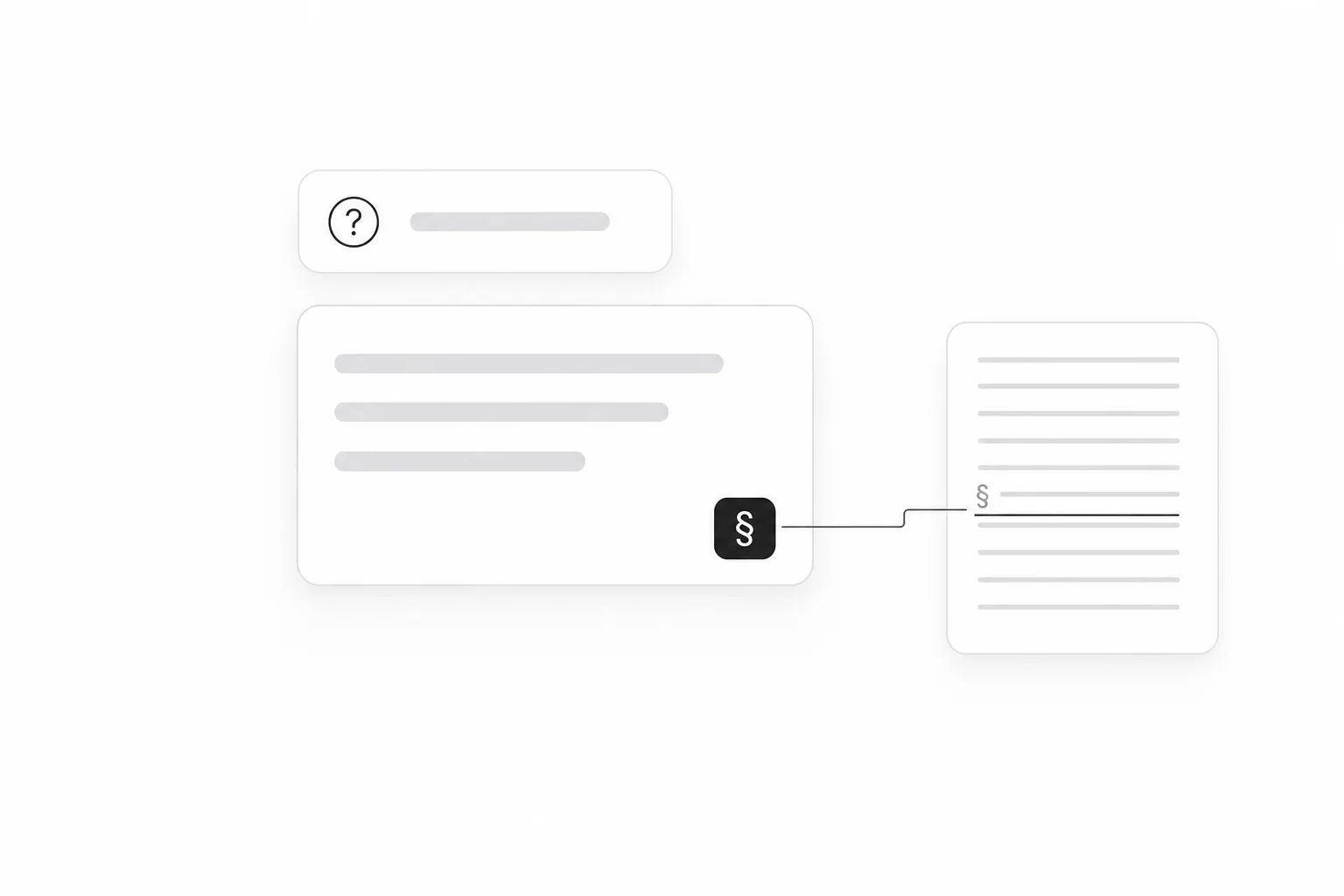
Ask about a specific address or project and get an answer that cites the controlling sections, with links back into the verbatim text so you can check the work.
See how it works540
Cities & counties
1,199
Codes & ordinances
1.2 million+
Code sections
12 of 13
Title 24 parts, 2025 edition
Why we built it
The information is public, but it isn't accessible. A homeowner asking whether they can add a unit out back, a contractor checking a setback before pouring, an architect confirming which edition of Title 24 governs a permit filed this month — all of them are looking for one or two sentences buried in a code no one reads front to back. The usual answers are a forum post, a search result about a different state, or a phone call that takes three days to return.
Meanwhile the rules genuinely differ at every city line, and the state layer keeps moving: new housing legislation each session, a fresh Title 24 edition every three years. Getting this right isn't a matter of reading harder — it's a data problem. So we built the corpus first, put the verbatim text in front of people, and only then let an assistant answer on top of it.
What we believe
Checkable, not just plausible
Our goal is a review you can check against the original provisions. A citation is a starting point: read its context, applicability, and exceptions.
The law as published
The library tier is the ordinance as the jurisdiction published it — same structure, same wording. Summaries live in a separate layer, clearly marked.
Honest about the edges
When the code is silent, or a page hasn't been re-checked recently, we say so. Dates and status labels are on the page, not buried.
Who we serve
Architects, inspectors, builders, permit consultants, developers, agents and brokers, property managers, attorneys, public agencies, and homeowners. Our California-focused sources support research across design, construction, transactions, rentals, HOA, tax, and foreclosure. Availability varies; check coveragefor your subject and jurisdiction.
Who we are
GoCodebook is built by a small team that spans software and architecture practice. It was co-founded by Sungjoon Nam(CEO) and Sunwoo Kim(CSO), a licensed architect with U.S. practice experience — so the product is shaped by people who have actually had to find the controlling code section before a submittal.

Sungjoon Nam
CEO and Co-founder
Sungjoon is a real estate developer with 20 years of experience and the founder of Number Analytics LLC, an AI-powered statistical software company. He has taught as a professor at Rutgers and SUNY Korea, and holds an MBA and a Ph.D. in Quantitative Marketing, both from the University of Chicago Booth School of Business.
LinkedIn
Sunwoo Kim
CSO and Co-founder
Sunwoo is a licensed architect in California and Director of Design at Butler Armsden Architects in San Francisco, with earlier practice experience at Soltos Architects and Skidmore, Owings & Merrill. He holds a Master of Architecture from Yale University and a Bachelor of Architecture from the University of Seoul.
LinkedInGet in touch
GoCodebook, Inc. is based in San Francisco and works with architects, contractors, developers, planners, and homeowners across California. Questions, corrections, or partnerships:contact us — corrections to any page are especially welcome (seehow we handle them). You can also find us on Xand LinkedIn.
Start with your property question
Research a project, transaction, tenancy, or ownership question. Check source coverage and the original provisions. AI answers and search use paid credits; reading the library is free.